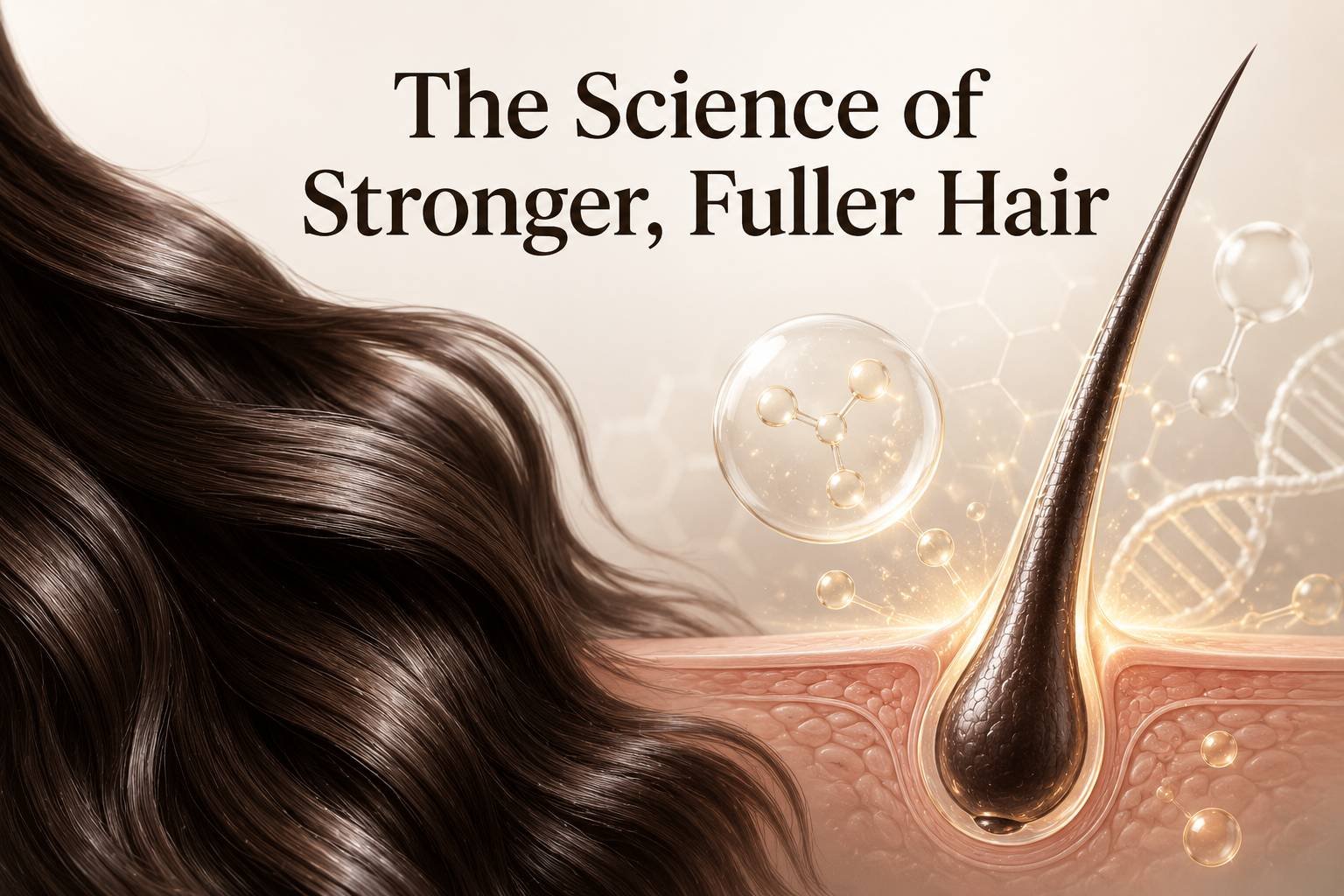
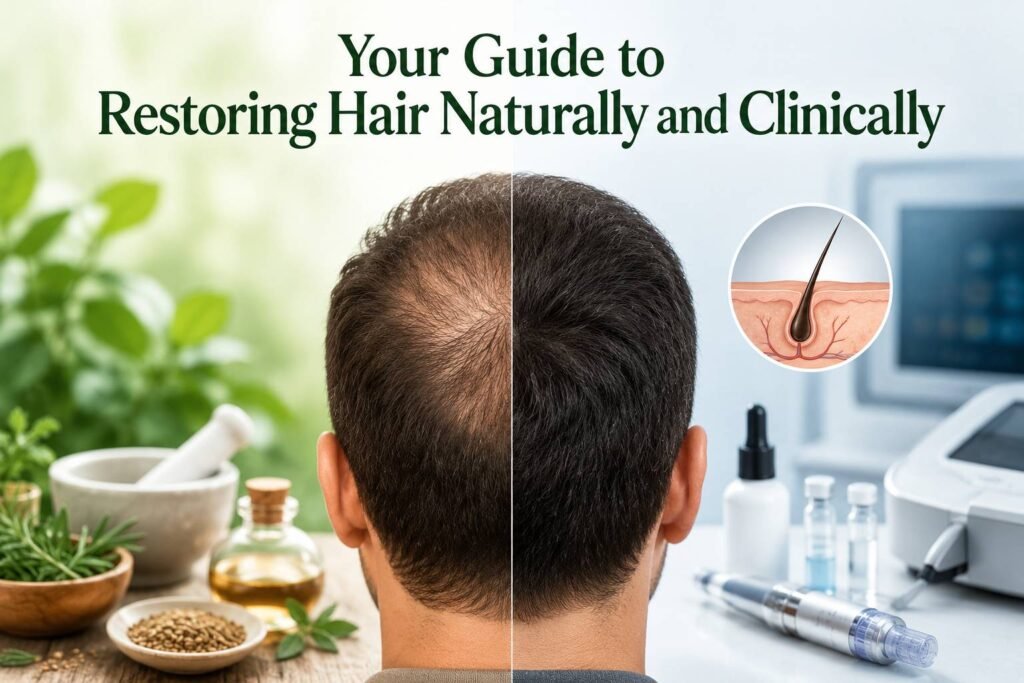
Good, healthy hair is equated with confidence and wellbeing. While many people focus on hair products to improve appearance, the science behind stronger and fuller hair goes much deeper. Genetics, nutrition, scalp health, hormones, and lifestyle habits are some of the factors that affect the growth and quality of hair. With the increase in awareness, more people start to look for a hair doctor near me to learn more about the reasons behind thinning, breakage, or lower hair volume.
Knowledge of hair growth and factors influencing its health may enable individuals to make sound decisions that contribute to a healthier and more robust hair in the long-term.
Understanding the Hair Growth Cycle
The growth of hair is a natural cycle that includes growth, transition and resting stages. Each hair follicle can be at varying stages of this cycle at a time, something that makes a certain amount of hair shedding absolutely normal.
Hair can start to thin or shed excessively when the growth cycle is affected by stress, illness or hormonal changes. To help the hair grow consistently, it is important to ensure that the environment of the follicles remains healthy.
The Importance of Scalp Health
A healthy scalp provides the foundation for healthy hair. Most individuals concentrate on the hair strands but not the condition of the scalp itself. Individuals searching for a hair doctor near me often discover that scalp issues are contributing to their hair concerns.
Hair growth and quality can be impacted by issues like inflammation, dandruff, excessive oil production, and clogged follicles. Correct scalp care will ensure the development of a condition in which the hair will be stronger and healthier.
Nutrition Fuels Hair Growth
Hair follicles need a constant supply of nutrients to work well. Protein, iron, zinc, biotin, and vitamins are essential in keeping hair healthy and promoting growth.
Malnutrition can be a cause of split hair, excessive hair loss, and reduced growth rates. A healthy diet with nutrient-rich foods may help to reinforce hair and enhance the health of the scalp.
Hormones Have a Significant Influence
Hormones influence hair growth in life. Hair density and texture can be affected by changes that occur during puberty, pregnancy, menopause, and some medical conditions.
Hormonal disturbances can either reduce the hair cycle growth stage or hasten hair shedding. Being aware of these changes can assist individuals to realise that professional evaluation can be helpful.
Genetics Play a Major Role
Genetics play a role in most aspects of hair, such as thickness, texture, growth patterns, and susceptibility to hair loss. Some individuals naturally have denser hair, while others may experience hereditary thinning over time.
Even though genetic factors cannot be altered, early awareness enables individuals to practice proactive hair care and consult when they observe changes.
Stress Can Affect Hair Quality
Stress and hair health are interrelated, and the scientific evidence is growing. Stress (physical or emotional) may interfere with the hair growing cycle and cause more shedding.
Hair changes are observed by many people in stressful stages of life. Exercise, healthy lifestyle habits, relaxation methods, and proper sleep are all strategies that can help manage stress, which in turn promotes overall wellbeing, as well as hair.
Hair Care Practices Matter
Hair care routines done on a daily basis have the capacity to either strengthen or weaken the hair. Overheating hair, using harsh chemicals, tight hair styles, and rough brushing can be a factor in the breakage and damage.
Individuals with persistent worries would visit a hair doctor near me to know whether their hair care regimen is impacting hair health. Gentle handling and appropriate products can help minimize damage and preserve hair strength.
The Value of Early Intervention
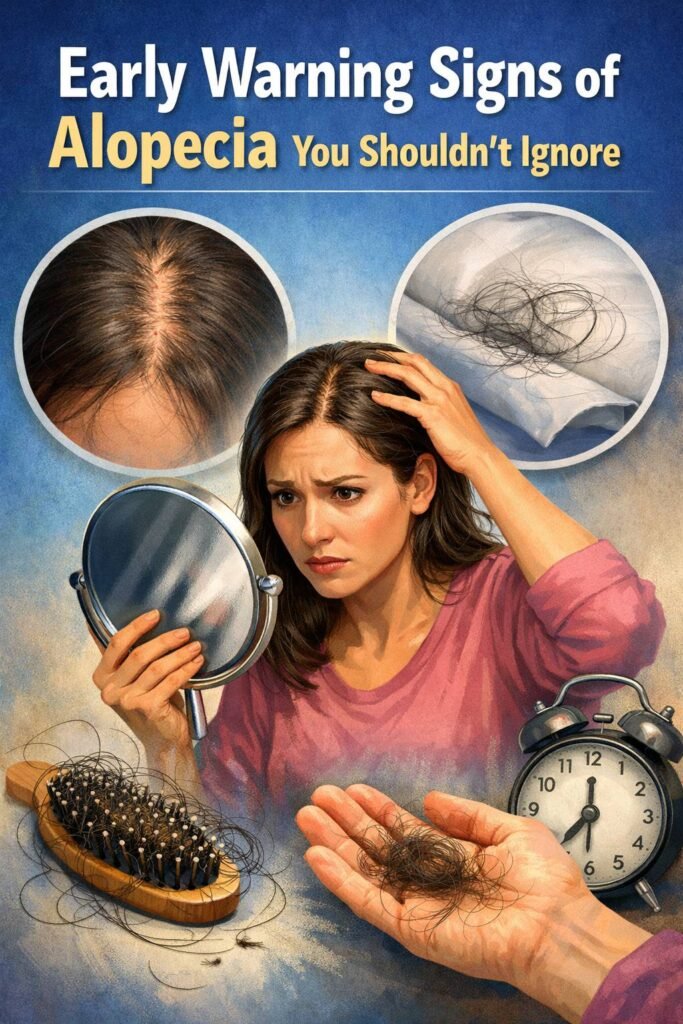
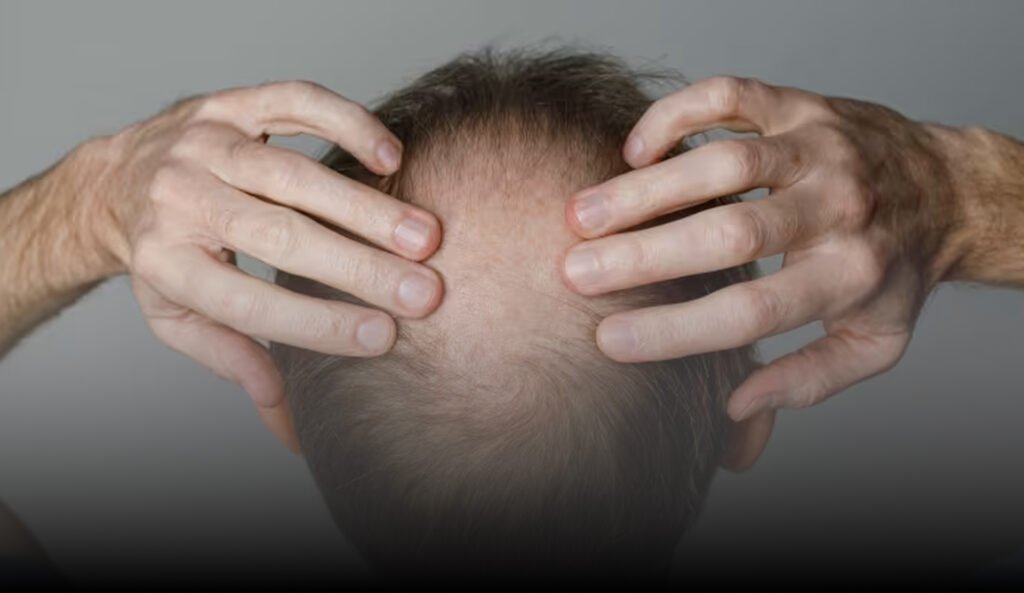
When hair thinning and excessive shedding are discovered early, it is usually easy to correct. Waiting until hair loss becomes severe may limit the available options for managing the condition.
Tracking the changes in hair density, scalp conditions, and shedding patterns may assist people in detecting the possible issues earlier. Early diagnosis offers more insight into the cause of the problem and enables prompt treatment.
Conclusion
When people notice changes in their hair, the first thing they do is to search for a hair doctor near me. Nevertheless, the science of more robust and complete hair is far more than curing the observable symptoms. Good hair requires a mixture of good nutrition, scalp care, hormonal balance, genetic traits, stress management and healthy everyday habits.
Ready for Stronger, Fuller Hair? Schedule Your Appointment!