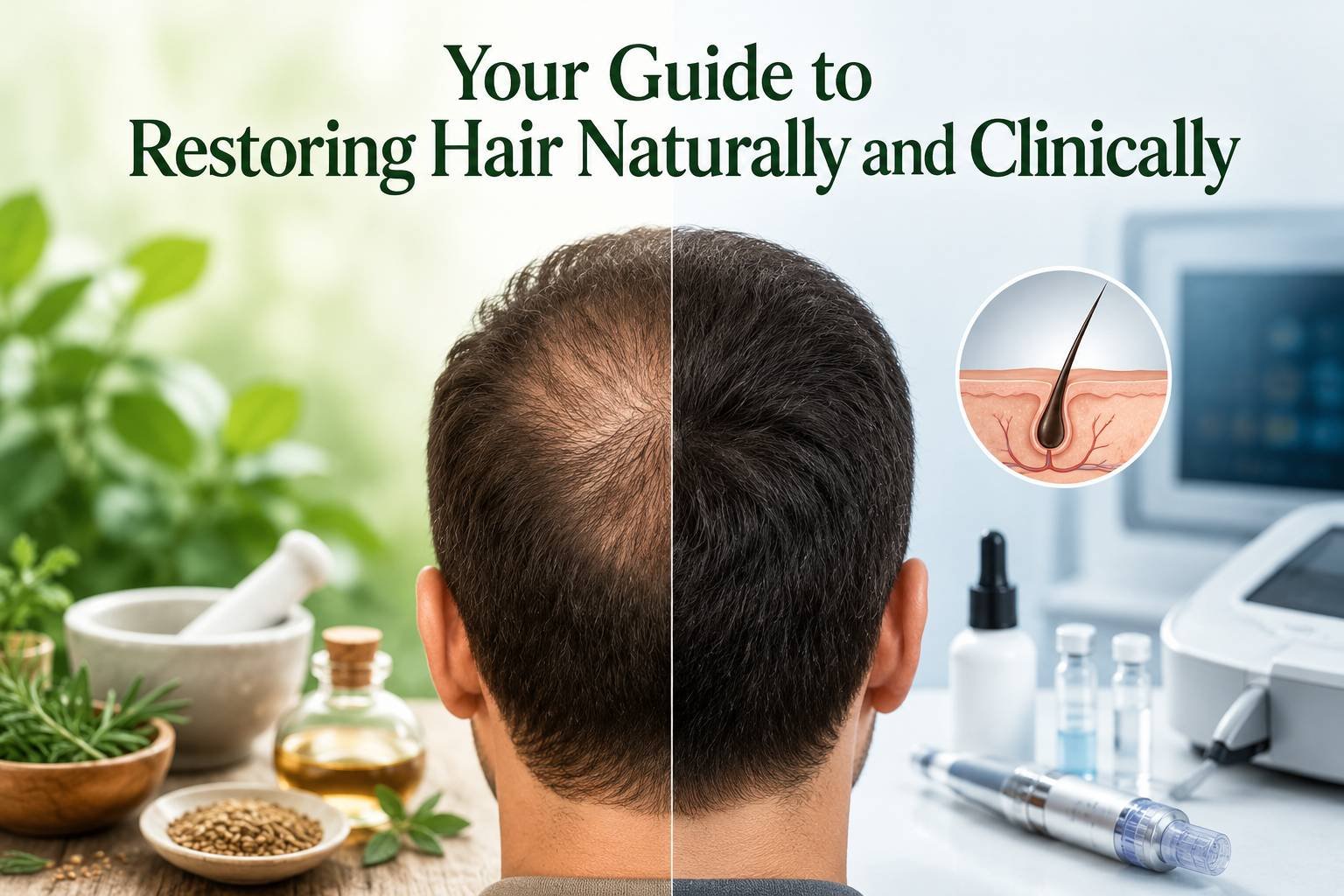
Your Guide to Restoring Hair Naturally and Clinically
Hair loss is a widespread issue that can impact individuals of any age and affect both the look and self-esteem. Whether caused by genetics, hormonal changes, stress, nutritional deficiencies, or medical conditions, thinning hair often requires more than a one-size-fits-all solution. When home remedies do not yield the desired results, many people start searching for a hair doctor near me.
The positive news is that in recent years hair restoration has improved greatly. The integration of natural practices and clinically proven treatments is a balanced solution that can help to maintain healthier hair and at the same time deal with the root causes of the hair loss.
Start by Understanding the Cause
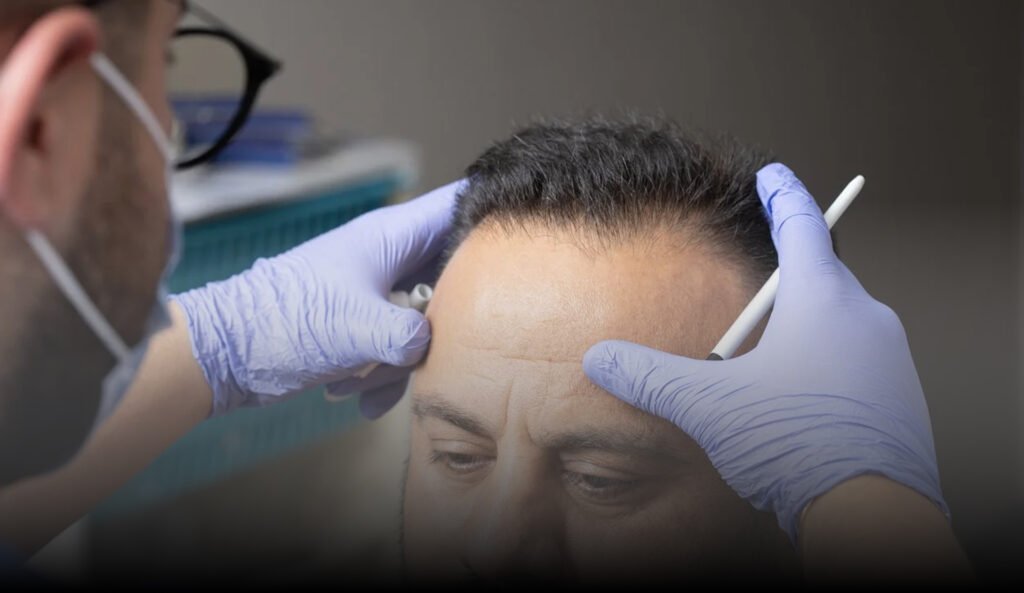
The process of hair restoration starts by determining the cause of hair loss. Different causes need different solutions and this is why before embarking on any treatment plan it is important to have an accurate assessment of the cause.
Hereditary hair loss, scalp conditions, nutritional deficiencies, medications, and chronic stress are all factors that may cause thinning hair. Knowing the underlying cause enables the tailoring of the treatments to achieve improved and sustained outcomes.
Support Hair Growth Naturally
Strong hair growth is based on a healthy lifestyle. A balanced diet with protein, iron, zinc, biotin, and essential vitamins is beneficial in nourishing the hair follicles internally.
Many people consult a hair doctor near me to complement natural habits with professional guidance. Keeping hydrated, reducing stress, working out, and sleeping well also help to make hair and scalp healthier.
Prioritize Scalp Health
Healthy hair grows from a healthy scalp. Oil, dandruff, inflammation, or accumulation of products may disrupt normal hair growth and decrease the efficacy of treatments.
Maintaining scalp hygiene through appropriate hair care products and the absence of harsh chemicals will help to provide an environment in which hair follicles will be able to operate more effectively. Scalp care is also important to reduce irritation and discomfort.
Consider Clinically Proven Treatments
Modern clinical treatments offer targeted solutions for many forms of hair loss. Healthcare providers can prescribe topical drugs, oral therapy, platelet-rich plasma treatment, or other innovative methods, depending on the diagnosis.
These therapies are chosen based on individual requirements and must always be based on professional assessment. When evidence-based options are selected, meaningful and sustainable improvements are more likely to be realized.
Be Consistent with Your Routine
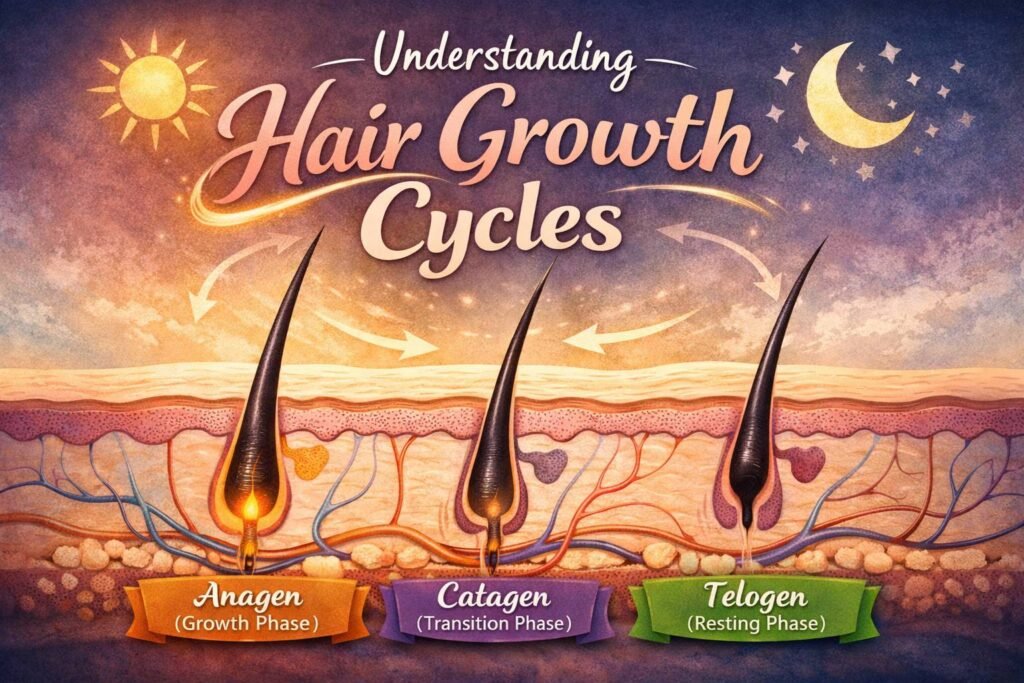
Restoration of hair takes time as hair grows with time. Most of the treatments require months of regular use before one can see any improvements.
Changing products too often may disrupt the progress and complicate the assessment of outcomes. A well-organized routine provides both natural and clinical therapies with a chance to be effective.
Avoid Common Hair Care Mistakes
A hair doctor near me can help identify everyday habits that may be contributing to hair damage. Overheating of hair, tight hairstyles, rough brushing, and frequent chemical treatments may make hair weak and break easily.
Gentle hair care methods, reduced heat exposure, and using products that match your hair type can help preserve existing hair and promote new growth. Minor daily gains can be a great long-term effect.
Monitor Your Progress
Monitoring your hair restoration progress will enable you to see incremental changes that would otherwise be unnoticed. The photos taken after every few weeks can give a clear image of the changes in the density of hair and the condition of the scalp.
Treatment plans can also be modified where needed by conducting regular follow-up assessments. Hair requirements can vary with time, and constant review can be used to keep you on track towards your objectives.
Combine Natural Care with Professional Guidance
The natural remedies may help in healthy hair, but they might not be effective enough to treat medical conditions that cause chronic loss of hair. Professional assessment helps to identify more serious causes and treat them accordingly.
Integrating the healthy lifestyle practices with the clinically prescribed therapies is usually the most balanced. This combination supports stronger hair growth while improving overall scalp health and long-term outcomes.
Conclusion
Restoring healthy hair is rarely about relying on a single product or treatment. Long-term change is typically achieved through knowing what causes your hair loss, healthy daily habits, and treatment options that suit your unique needs. When hair thinning or excessive shedding does not go away despite your efforts, a hair doctor near me can offer professional advice that will help you create a personalized restoration plan.
Ready for Stronger, Fuller Hair? Schedule Your Appointment!