One of the most common issues that people have when they age is hair thinning. Although shedding a few strands a day is normal, this thinning is noticeable as a person ages because of the body, scalp health, and hair growth cycles. Men and women can have a lower density of hair, weaker hair, and slower growth with time. A lot of people who are looking to find a hair doctor near me are interested in knowing why hair thinning occurs with age and how they can effectively deal with it.
Age-related hair thinning is typically a multifactorial problem that is affected by biological, hormonal, nutritional, and lifestyle factors. By knowing these causes, people can be in a better position to take care of their scalp and hair health in the long term.
Natural Changes in Hair Growth Cycle
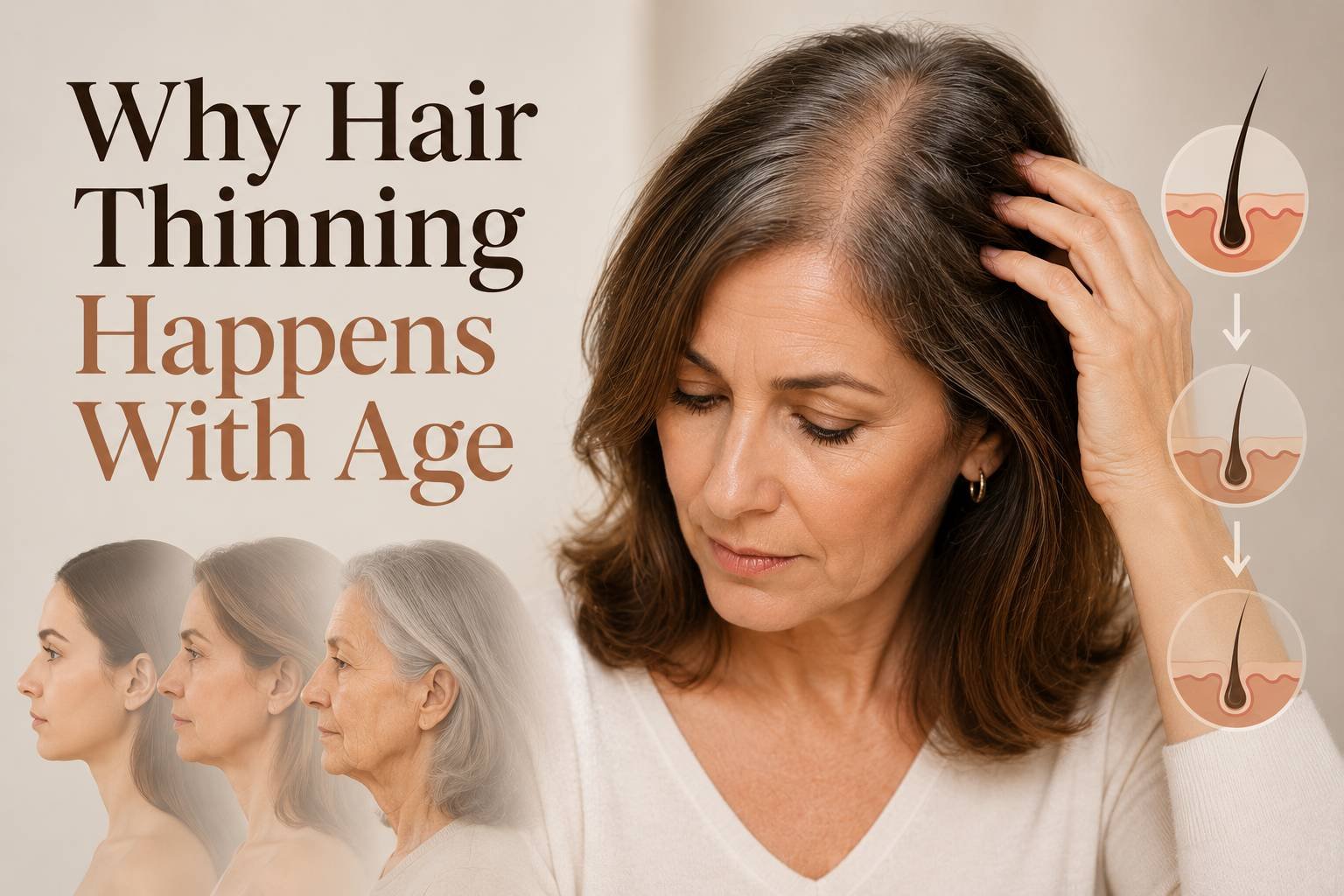
Hair has a cycle of growth, rest and shedding. The growth stage becomes shorter with age and the resting stage becomes longer.
This implies that hair will require longer to regenerate after shedding. As the years go by, the follicles might start working on thinner and weaker strands, which result in a decrease in the volume of hair and thinness that can be noticed all over the scalp.
Hormonal Changes and Aging
One of the most significant causes of age-related hair thinning is hormonal imbalance. Hormones influence hair growth, scalp condition, and follicle strength throughout life.
When seeking a hair doctor near me, many individuals learn that hair density can change drastically due to hormonal alterations during old age. In men, dihydrotestosterone (DHT) sensitivity tends to cause male pattern hair loss, and in women, the loss may be due to hormonal changes caused by menopause.
Reduced Blood Circulation to the Scalp
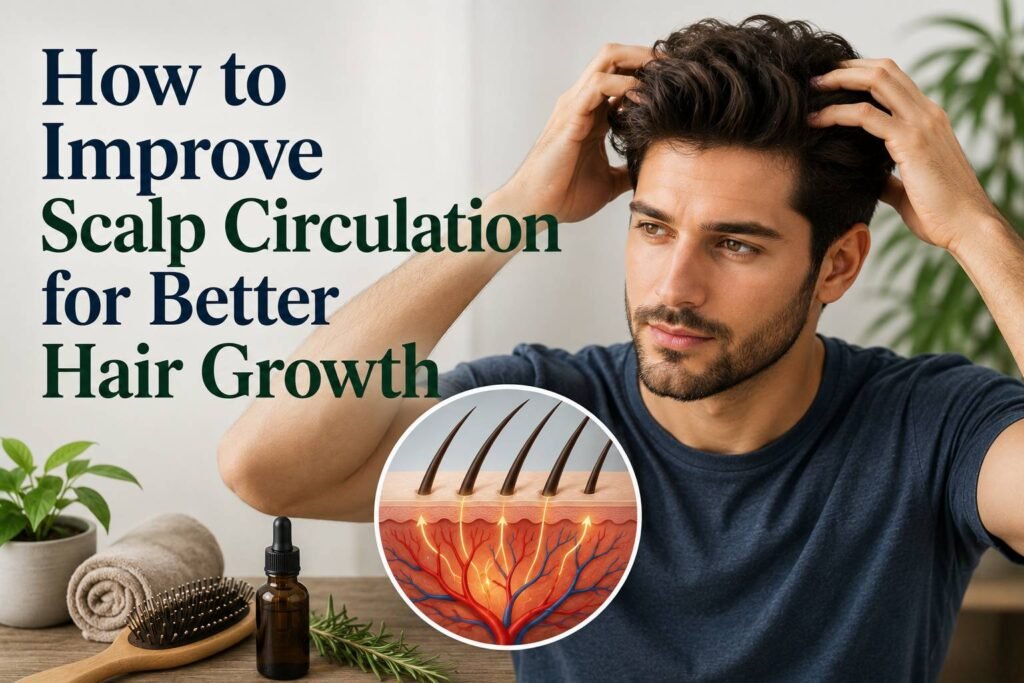
To supply the hair follicles with nutrients and oxygen, healthy blood circulation is necessary. With aging, circulation can slow down over time and this can influence the capacity of the scalp to maintain healthy hair growth.
Lack of circulation may lead to weakened follicles and decreased uptake of nutrients, resulting in thin and brittle hair. Scalp health and frequent scalp stimulation can help in enhancing circulation in the long run.
Nutritional Deficiencies
The body may lose its capacity to absorb various vital nutrients that are needed to maintain healthy hair as one ages. Lack of iron, protein, zinc, biotin, vitamin D, and omega-3 fatty acids may also be causes of thinning hair.
Most of the people that visit a hair doctor in my area are advised to eat better and have a balanced diet in order to have stronger hair growth. Adequate nutrition is relevant to keep the follicles healthy and prevent excessive shedding.
Increased Hair Follicle Sensitivity
As individuals age, hair follicles can be more susceptible to hormonal and environmental stress. This heightened sensitivity can slowly narrow follicles making the hair strands thinner and shorter.
Small follicles tend to give rise to thin hair that is not thick and volumetric. In the long run, it may result in the appearance of the exposed scalp and decrease the density of hair in some locations.
Frequent Heat and Chemical Exposure
Decades of overheating hair, dying, straightening and chemically treating hair can deteriorate hair fibers and weaken follicles over time. Older hair is weaker and less able to withstand external forces.
Many people searching for a hair doctor near me seek professional advice after noticing increased breakage and thinning caused by long-term chemical exposure. The harsh treatments and use of protective hair care products can be limited to maintain healthier hair.
Genetics and Family History
The role of genetics in hair thinning due to age is significant. Individuals whose family members have a history of hair loss tend to lose their hair at old age.
Patterns of hereditary hair loss may start slowly and progressively increase. Early diagnosis and proper management can help slow down progression and improve hair maintenance.
Slower Cell Regeneration
Naturally, the body has a decreased capacity to regenerate cells as one ages. Hair follicles might require more time to regenerate and create new hair strands effectively.
Most people who visit a hair doctor near me are informed that aging influences the general regeneration ability of the scalp and hair follicles. This decreased rate of regeneration adds to the decreased hair density and fragile hair texture.
Conclusion
Aging of the hair is a normal process that is affected by hormones, genetics, scalp condition, lifestyle and nutritional elements. Although a certain level of thinning is normal, the knowledge of the reasons behind it may assist individuals to cope with the condition better. To prevent the loss of strong and healthier hair with age, consulting a qualified hair doctor near me can assist people in determining the appropriate treatment and preventive strategies.
Ready for Stronger, Fuller Hair? Schedule Your Appointment!