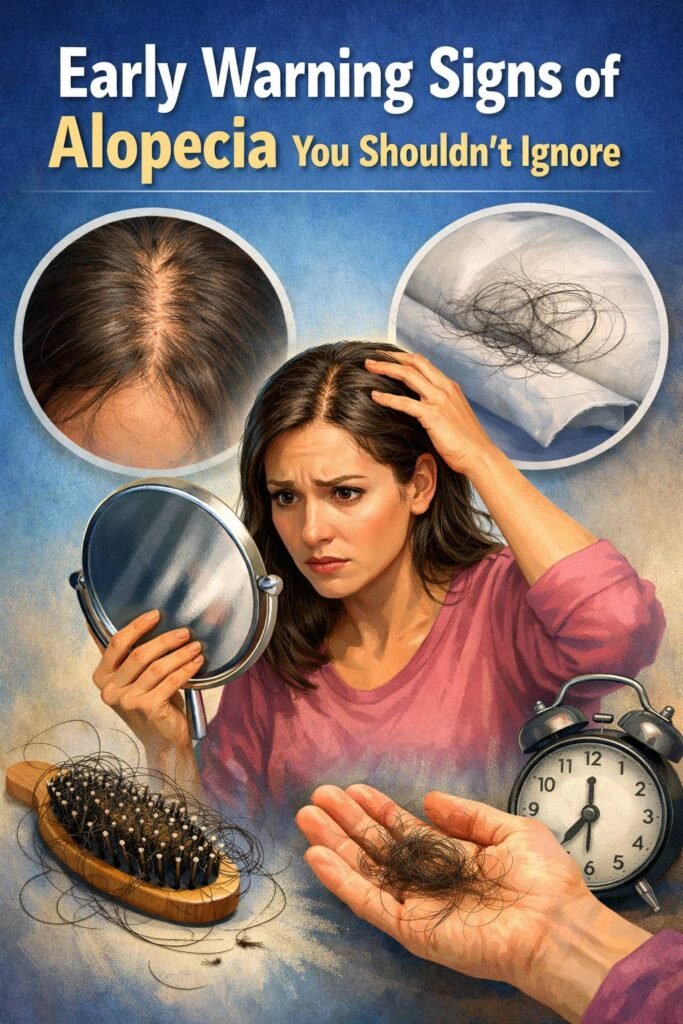
Noticing more hair on your pillow, comb, or shower floor can leave you wondering what has changed. Although shedding of hair is normal, chronic thinning can be associated with nutritional deficiencies. One of the nutrients that researchers have studied to determine its potential in hair follicle health is vitamin D. If your hair appears thinner than usual, consulting a hair doctor near me can help identify potential causes and determine whether further testing is appropriate.
How Vitamin D Supports Hair Growth
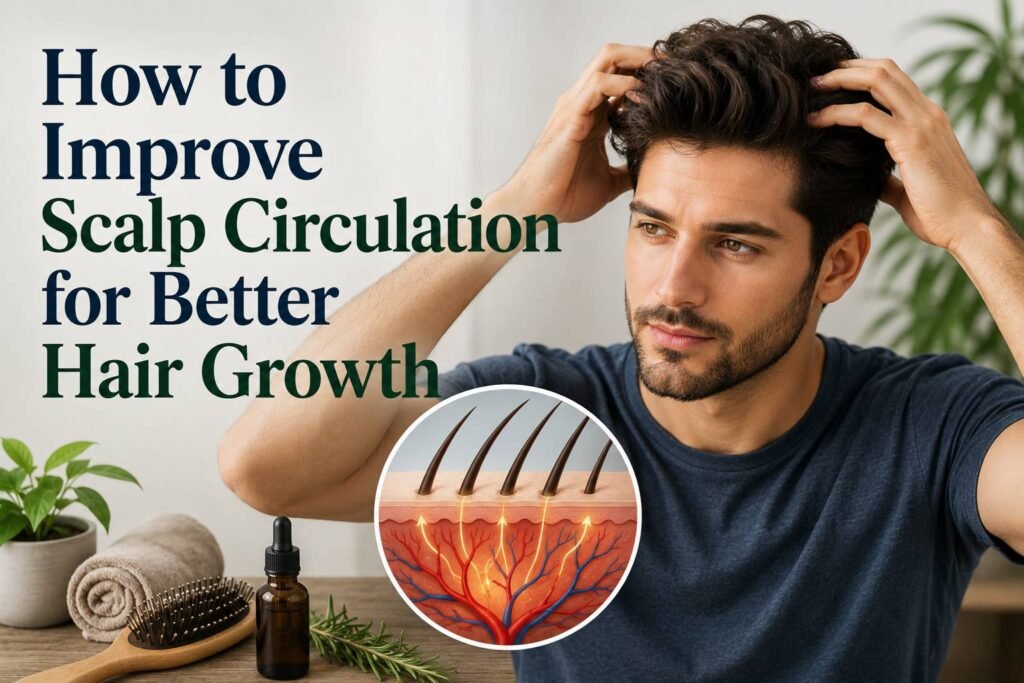
The hair is produced by follicles under the scalp and the cells collaborate to form new hair. Hair follicles have vitamin D receptors, implying that the nutrient is involved in the hair growth cycle. Scientists are still investigating the role of vitamin D signalling in the development of follicles and normal hair functions.
Some biological processes can be impaired when the level of vitamin D is low. Research has established links between vitamin D deficiency and other diseases like alopecia areata, an autoimmune disease that leads to patchy loss of hair. Nevertheless, scientists have not determined that all forms of thinning or shedding are directly caused by low vitamin D.
Signs That May Accompany Vitamin D Deficiency
Deficiency of vitamin D can lead to a number of symptoms, but not all individuals show any apparent changes. Common signs include:
Constant Fatigue: Sometimes, persistent fatigue, or feeling unusually tired or energy-depleted despite getting sufficient rest, can be linked to low vitamin D levels.
Muscle Weakness: Low vitamin D may have an impact on muscle performance, which may result in weakness or inability to perform normal physical tasks.
Bone Pain or Discomfort: Deficiency can be a cause of bone aches, tenderness, or discomfort, especially when the levels are low over a long period.
Higher Hair Loss: There are studies that have associated low levels of vitamin D with some hair loss conditions, but deficiency does not always lead to hair thinning.
Common Diseases: Vitamin D helps in the functioning of the immune system, and common infections cannot be used alone to prove that you have low levels.
How Can You Check Your Vitamin D Levels?
Vitamin D status is usually determined by a blood test of 25-hydroxyvitamin D. The result can be interpreted by your healthcare professional based on your health, medical history, and relevant clinical guidance. Testing may be particularly useful when you have risk factors for deficiency or symptoms that warrant investigation.
Do not initiate high-dose supplements solely on hair shedding. Too much vitamin D may lead to the accumulation of harmful calcium and can damage the kidneys. In case of deficiency, your medical practitioner may prescribe the right dose and treatment period.
Ways to Support Healthy Vitamin D Levels
The sun aids the body in making vitamin D, but the quantity varies depending on the skin pigmentation, the place, the season, the clothing, and the time spent outside. Prudent exposure to the sun must be accompanied by skin protection instead of intentionally exposing the skin to sunburn.
Food may also be a part of your daily intake. The useful options include fatty fish, egg yolks, and foods that are fortified with vitamin D. When you cannot get enough intake due to your diet or circumstances, talk to a qualified healthcare professional about appropriate supplements rather than using unverified hair-growth products.
Will Correcting the Deficiency Restore Hair Growth?
In case of vitamin D deficiency, its correction helps in maintaining good health and can be suitable in the management of a hair issue. Nevertheless, studies have not determined that supplementation is a sure way of reversing all types of hair loss. Results depend on whether the deficiency is relevant to the underlying condition.
It also takes time to grow hair. Although a good treatment may be used to treat the cause, it may take several months to see visible changes since follicles have a natural growth cycle. A hair doctor near me can help monitor progress and determine whether additional treatment is needed.
When to Seek Professional Advice?
Schedule a test to determine whether your hair is still thinning, whether your part is getting larger, or you have bald spots. Acute shedding, inflammation of the scalp, itching, or scaling can also be evaluated. Early detection of the cause can assist you in preventing futile treatment and unnecessary use of supplements.
A specialist can look at your medical history, check your scalp, and prescribe tests of any nutritional or hormonal problems. The underlying cause should be treated instead of assuming that all cases are vitamin D.
Conclusion
Vitamin D can help to maintain normal hair follicle activity, and deficiency has been linked to some hair loss disorders. Nevertheless, it is not the only possible factor among many and the evidence does not justify the treatment of all cases of thinning with supplements.
Pay attention to balanced nutrition, proper testing, and professional advice in case hair changes do not disappear. Consulting a qualified hair doctor near me can help you understand your symptoms, identify possible deficiencies, and choose a suitable plan for healthier hair.
Ready for Stronger, Fuller Hair? Schedule Your Appointment!