Early Warning Signs of Alopecia You Shouldn’t Ignore
Hair loss is a frequent issue, but it can be an indication of alopecia when it becomes chronic or excessively intense. It is a condition that is common in both men and women and it may manifest itself at any age. Although a certain amount of shedding of hair is normal, excessive or patterned shedding cannot be ignored. Early diagnosis is useful in enhancing treatment results and even preventing additional harm. In case of abnormal changes, a hair doctor near me would help you with prompt diagnosis and personalized treatment.
Understanding Alopecia
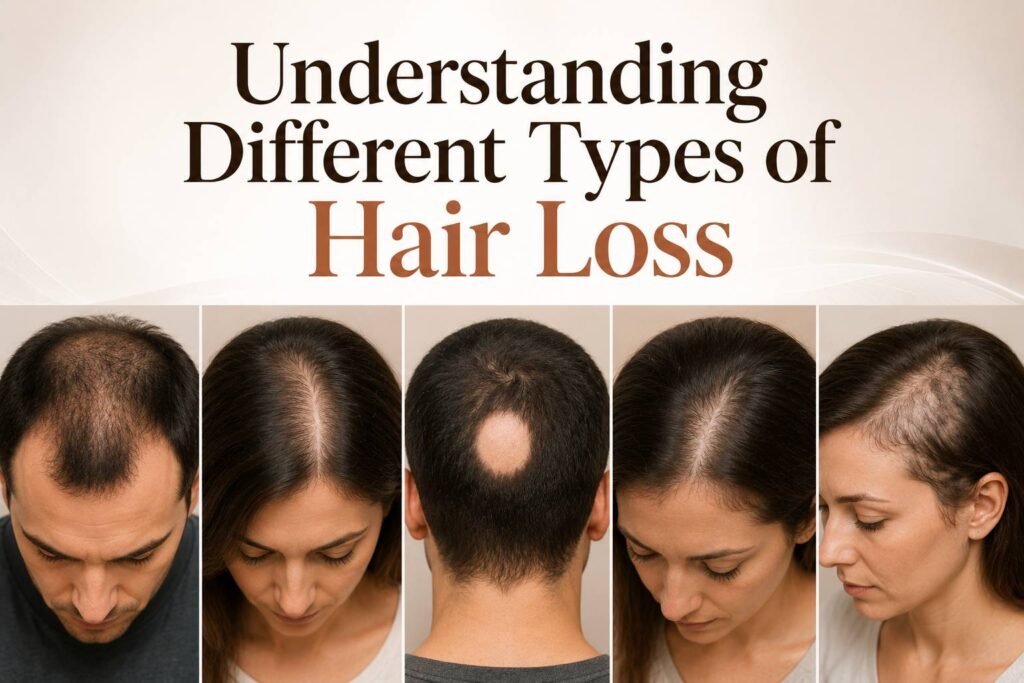
Alopecia is the loss of hair due to autoimmune response, genetics, hormonal disorders, stress, or illness. They can be classified into a number of types, such as; alopecia areata, androgenetic alopecia, traction alopecia, and telogen effluvium. The symptoms are different in each type, although the initial signs can be similar. Being aware of these red flags can enable you to pursue treatment before the loss of hair gets severe.
Excessive Hair Shedding
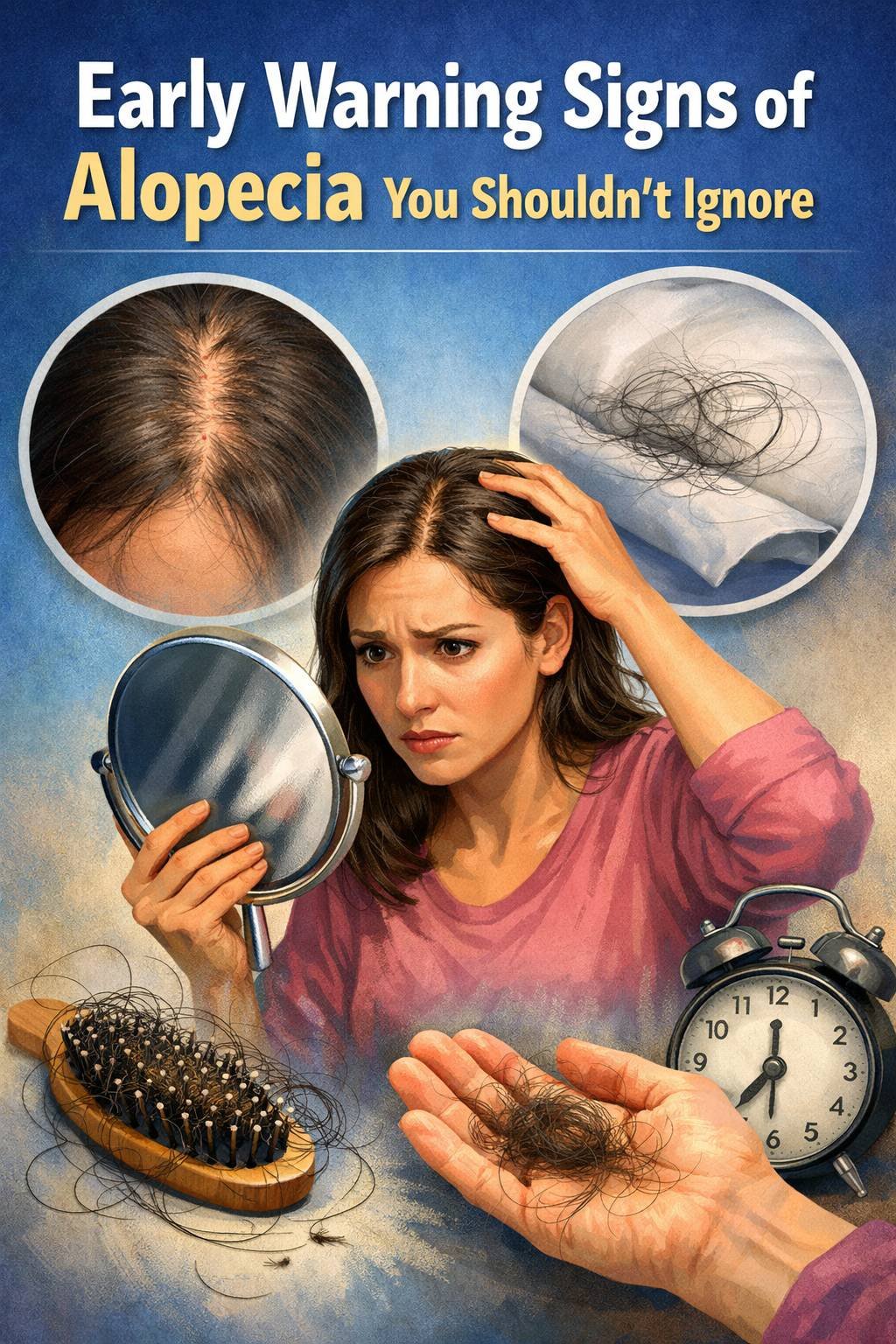
Among the first symptoms is more hair shedding when brushing, washing or styling. It is normal to lose between 50 and 100 strands per day. However, when you find yourself shedding large clumps of hair on a regular basis, then it could be a sign of a problem. The continued shedding of pounds during weeks should be a reason to seek medical attention and not self-medication.
Thinning Hair or Reduced Volume
Another typical initial symptom is gradual thinning. You might find your ponytail thinner, your scalp more visible, or your hairstyles not appearing as full as they used to. The condition is not very rapid and thus it can be easily ignored at the onset. Alopecia can be identified at an early stage by observing changes in the amount of hair.
Patchy Hair Loss
Some forms of alopecia, especially alopecia areata, are associated with patchy bald spots. Such patches can be abrupt, and they can be of different sizes. They frequently appear on the scalp, but can also be on eyebrows, beard or other hair of the body. This autoimmune reaction can be treated through early medical consultation.
Changes in Hair Texture
The fact that hair is brittle, dry, or unusually weak can be a sign of imminent loss of hair. Weak strands can easily be broken when combing or styling. Changes of texture usually occur before visible hair thinning and it is a significant early sign that cannot be overlooked.
Hereditary hair loss is usually linked to gradual recession at the temples or thinning at the crown. This trend can be gradual and slow. Medical interventions and lifestyle changes can slow down the progression and help to retain hair.
Eyebrow or Body Hair Loss
Alopecia does not necessarily affect the head alone. Eyelashes, body hair or eyebrows can also be lost, especially in autoimmune forms. These changes are serious enough to be treated immediately since they could be indicative of systemic conditions that need to be treated holistically.
When to Seek Professional Help
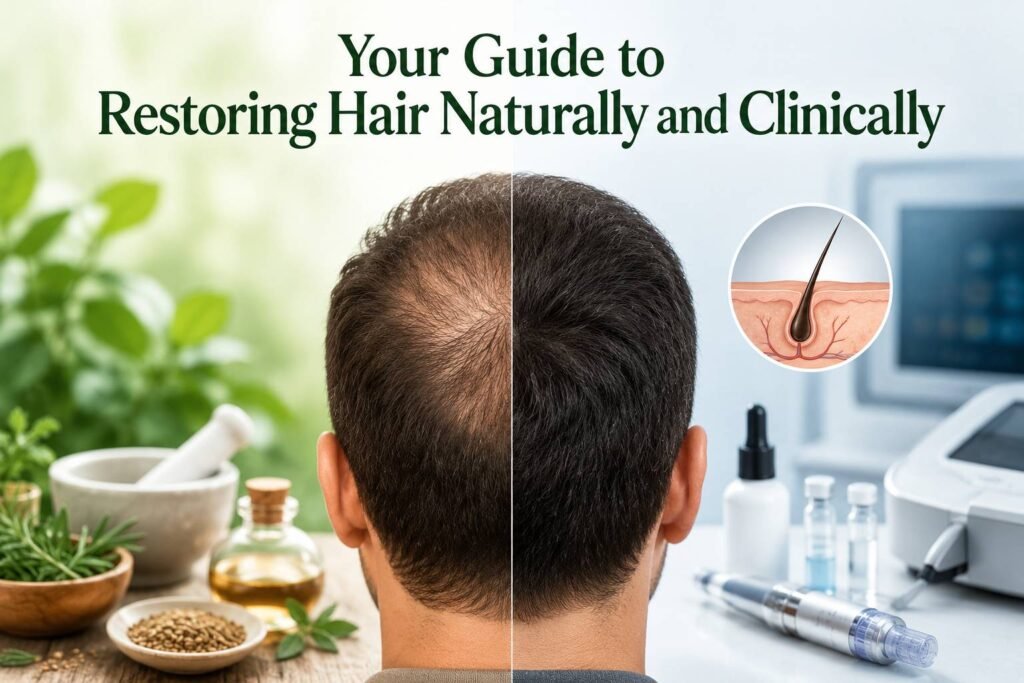
In case the hair loss lasts a few weeks, is patchy, or is accompanied by irritation of the scalp, it is necessary to consult a hair doctor near me. Scalp examination, blood tests and diagnostic imaging can be conducted by dermatologists and trichologists to determine the cause. Treatment can be administered early and may involve drugs, topical agents, dietary changes or complex interventions based on the severity.
Prevention and Care Tips
Follow Gentle Hair Care Practices
Wash with gentle and sulfate-free shampoos and do not brush harshly or wear tight hairstyles. Soft treatment will decrease the stress on the follicles, avoid undue breakage, and promote the overall scalp and strand health.
Manage Stress Effectively
Chronic stress interferes with the natural process of hair growth and can lead to sudden shedding. Yoga, meditation and exercise can be used to stabilize hormones and keep the hair growth patterns healthy.
Maintain Proper Scalp Hygiene
Wash your head to avoid accumulation of oil, dandruff and microbial infections. A healthy scalp environment enhances the circulation and helps in growing hair in a stronger and more consistent way with time.
Seek Early Professional Guidance
If you notice persistent shedding or thinning, consult a hair doctor near me for evaluation. Early diagnosis assists in determining underlying causes and provides early and personalized treatment to achieve improved recovery.
Conclusion
Alopecia is usually progressive and symptoms should not be overlooked at any cost.Uncontrolled shedding, thinning hair, scalp irritation or patchy loss may be a sign of underlying medical conditions that require timely treatment.Early treatment enhances the success of treatment and longevity of hair health.Being mindful of such symptoms and consulting a professional guarantees improved results and increased confidence in the ability to cope with hair loss.
Ready for Stronger, Fuller Hair? Schedule Your Appointment!